
Decyl Glucoside Application in Shampoo
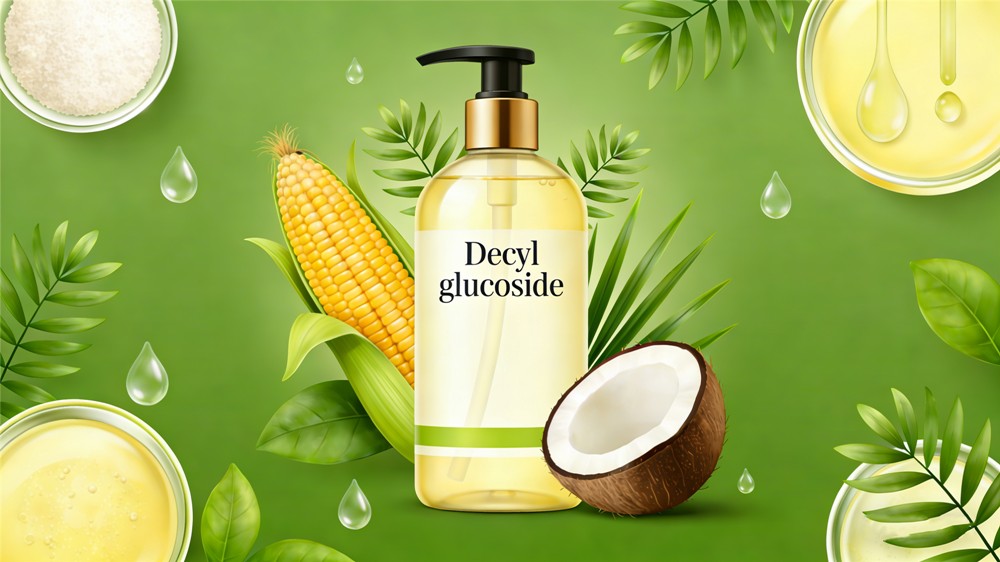
Amid the rise of clean beauty, consumers are increasingly favoring shampoo formulations that balance cleansing power, gentleness, and transparency. Among the emerging natural surfactants, Decyl Glucoside stands out. Derived from renewable plant-based raw materials (glucose and coconut oil), it combines two highly sought-after traits—crystal-clear compatibility and ultra-gentle cleansing—redefining users’ expectations for hair care products.
Decyl Glucoside(ShengQing Brand:SQ-APG0814) boasts excellent water solubility, blending seamlessly with water to create a crystal-clear shampoo base free from cloudiness or sediment. Unlike some surfactants that require additional solubilizers to achieve clarity, this ingredient naturally delivers a smooth and transparent texture, making it an ideal choice for high-end, minimalist formulations. Whether paired with botanical extracts, essential oils, or moisturizing agents, it maintains the transparency of the formula, highlighting the product’s quality both visually and functionally.
Gentleness is Decyl Glucoside’s core advantage, precisely addressing a major industry pain point: harsh shampoos strip the hair of its natural oils, leading to dry, frizzy strands and irritated scalps. As a non-ionic surfactant, its mild molecular structure cleanses without disrupting the scalp’s acid mantle. Its low-irritation profile makes it suitable for all hair types—from sensitive scalps and color-treated hair to fragile children’s hair. Compared to sulfate-based surfactants, it produces a rich, creamy lather that gently lifts dirt and excess oil, leaving hair soft, manageable, and hydrated, with no tightness or dryness after washing.
For brands, Decyl Glucoside offers diverse value beyond its core benefits. It blends perfectly with other types of surfactants (anionic, cationic, or non-ionic) to enhance lather volume and cleansing power without compromising gentleness or transparency. Meanwhile, it aligns with the “clean label” trend: it is highly biodegradable, plant-derived, and free from synthetic harsh chemicals, resonating strongly with consumers’ growing environmental awareness.
In a highly homogenized shampoo market, Decyl Glucoside empowers brands to create differentiated products: visually transparent and pure, with a gentle and comfortable user experience, achieving the dual goals of long-term hair and scalp care. For consumers tired of choosing between effective cleansing and gentle care, shampoos infused with Decyl Glucoside are undoubtedly the ideal solution—it proves through performance that clean, clear, and gentle hair care can coexist seamlessly.
What is the Dosage of Decyl Glucoside in Shampoo?
1. Basic Gentle Cleansing Scenarios: 5%-10%, Suitable for Sensitive Scalps and Children’s Shampoos
In products focused on “ultimate gentleness” (e.g., shampoos for sensitive scalps, tear-free children’s shampoos), the addition ratio of Decyl Glucoside is typically 5%-10%. This range retains its low-irritation advantages while achieving basic cleansing power through compounding.
2. Main Cleansing & Lather Enhancement Scenarios: 10%-20%, Covering Daily Adult Shampoos
For most daily-use shampoos for adults (e.g., refreshing oil-control or volumizing types), Decyl Glucoside is often added at 10%-20%. Here, it acts as the primary or core auxiliary surfactant, balancing cleansing power, lather stability, and gentleness.
3. Sulfate-Free & High-Gentleness Scenarios: 20%-35%, Suitable for High-End “Clean Label” Shampoos
In high-end natural shampoos or professional care products pursuing “sulfate-free, silicone-free” formulations, the addition ratio of Decyl Glucoside can be increased to 20%-35%. As the sole or main surfactant, it undertakes the core cleansing function.
4. Key Factors Influencing Ratio Adjustment
1. Compounded Ingredients: When blended with other surfactants (e.g., amino acid surfactants, betaine-based surfactants), the ratio of Decyl Glucoside can be reduced to 5%-15%; in single-surfactant systems, it needs to be increased to 20%-35% to ensure cleansing power.
2. Product Efficacy: Oil-control shampoos can moderately increase the ratio (15%-20%) to enhance oil-removing effects; repair-focused shampoos are recommended to keep it at 10%-15% to avoid excessive cleansing that causes nutrient loss.
3. pH Value & Stability: Decyl Glucoside itself is alkaline (10% aqueous solution has a pH of 11.5-12.5, per Soapandmore data). When added in high ratios, citric acid, lactic acid, or other regulators are needed to adjust the formula’s pH back to 5.0-6.5. Additionally, thickeners like xanthan gum or carbomer are paired to maintain system stability and prevent stratification or abnormal viscosity.
In summary, the application ratio of Decyl Glucoside in shampoo needs to be dynamically adjusted based on product positioning. The range of 5%-35% covers all scenarios from basic gentleness to high-end sulfate-free formulations. Its core advantage lies in: supplementing gentleness at low ratios and independently undertaking cleansing functions at high ratios, providing flexible formulation solutions for shampoos targeting different hair types and efficacy needs.