

How Amodimethicone Silicone Emulsion Works as a Hair Conditioning Agent in Personal Care Silicone for Damaged Hair
If you’ve ever compared ingredient lists on conditioner bottles, you’ve probably seen “Amodimethicone”
sitting somewhere in the middle. It doesn’t sound particularly exciting. But once you know what it does, it starts to make sense why so many personal care products include it—especially in conditioners, 2-in-1 shampoos, and even body washes.
Let’s walk through the basics: what amodimethicone is, why it’s often delivered as a silicone emulsion, and how it behaves on hair and skin. No exaggerated claims. Just what’s been tested and used in real formulations.
What Is Amodimethicone, Really?
Amodimethicone is a silicone-based polymer. What makes it different from older silicones (like dimethicone) is that it has amino groups attached. Those amino groups carry a positive charge. Damaged hair—because of chemical treatments, heat, or just daily brushing—tends to have negative charges on the surface. So the silicone naturally moves toward those damaged spots and sticks there.
That’s the “affinity to hair” part you see in technical descriptions. It doesn’t just coat everything evenly; it preferentially binds to the rough, porous areas. The healthier parts of the hair get much less residue.In practical terms, this means less buildup over time compared to some other silicones. People who worry about that “waxy” feeling after repeated use might find amodimethicone works better for them.
Why Deliver It as a Silicone Emulsion?
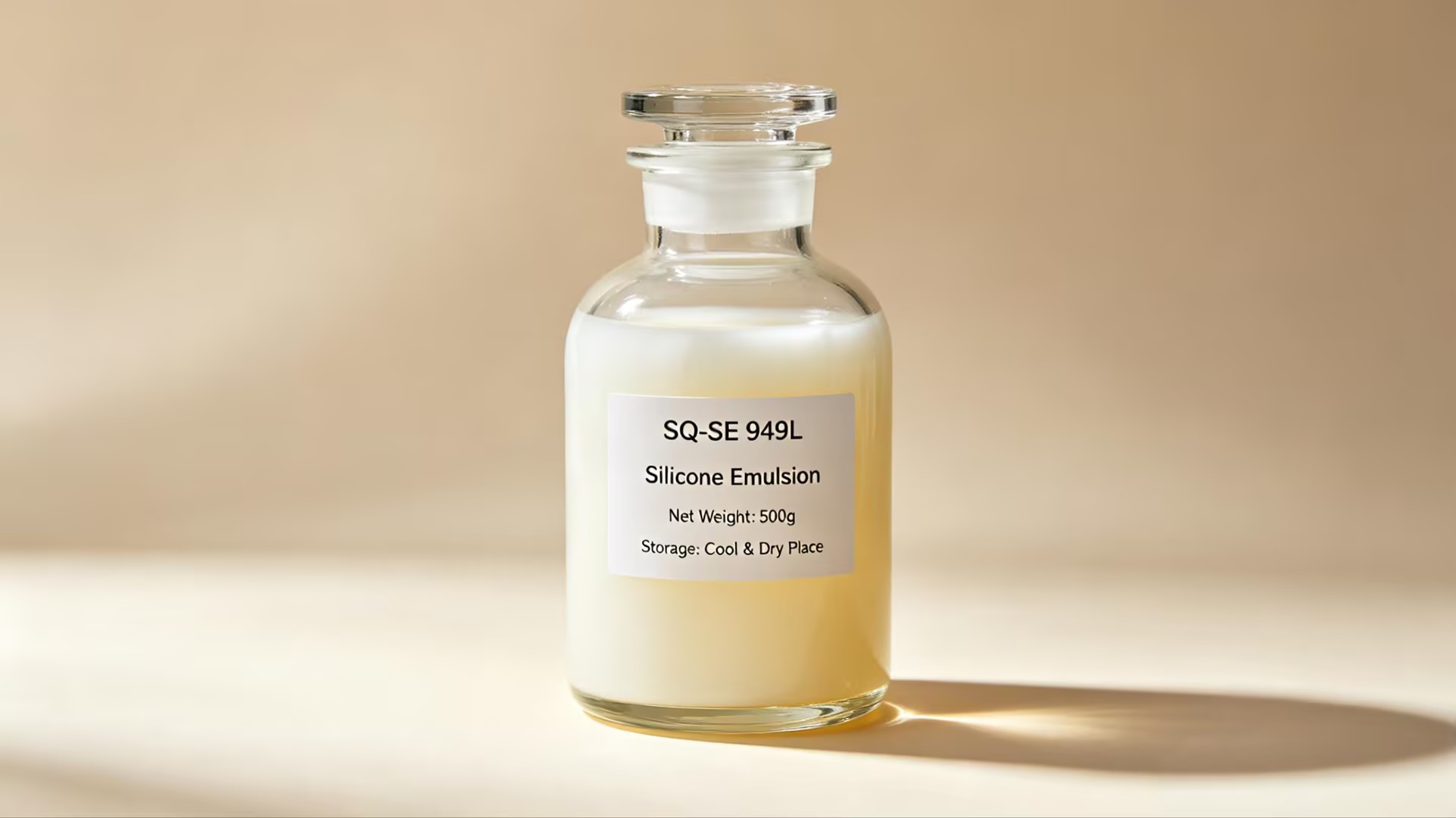
Pure amodimethicone is thick and hard to mix into a water-based shampoo or conditioner. So suppliers turn it into a silicone emulsion—tiny droplets of silicone suspended in water, stabilized with surfactants. One example is the SQ-SE 949L from Shengqing material, which is a milky white to light yellow liquid with a solid content between 36% and 40%.
Why does this matter for people making products? Because an emulsion is much easier to work with. It pours, it disperses in water without special equipment, and it stays stable at room temperature. In a production setting, you can add it near the end of the batch, as long as the temperature is below 45°C. No complicated heating or high-shear mixing required.For a small brand or a large factory, that convenience is a real advantage.
Based on Real Use ,What Does It Do for Hair?
Here’s what formulators have seen with amodimethicone emulsions in conditioners and 2-in-1 shampoos:
1. Better wet and dry combing
When hair is wet, it’s more fragile. If a comb snags on tangles, that can stretch and break strands. Amodimethicone reduces friction both when hair is wet and after it’s dried. You get fewer snags, less pulling.
2. Softer feel and more shine
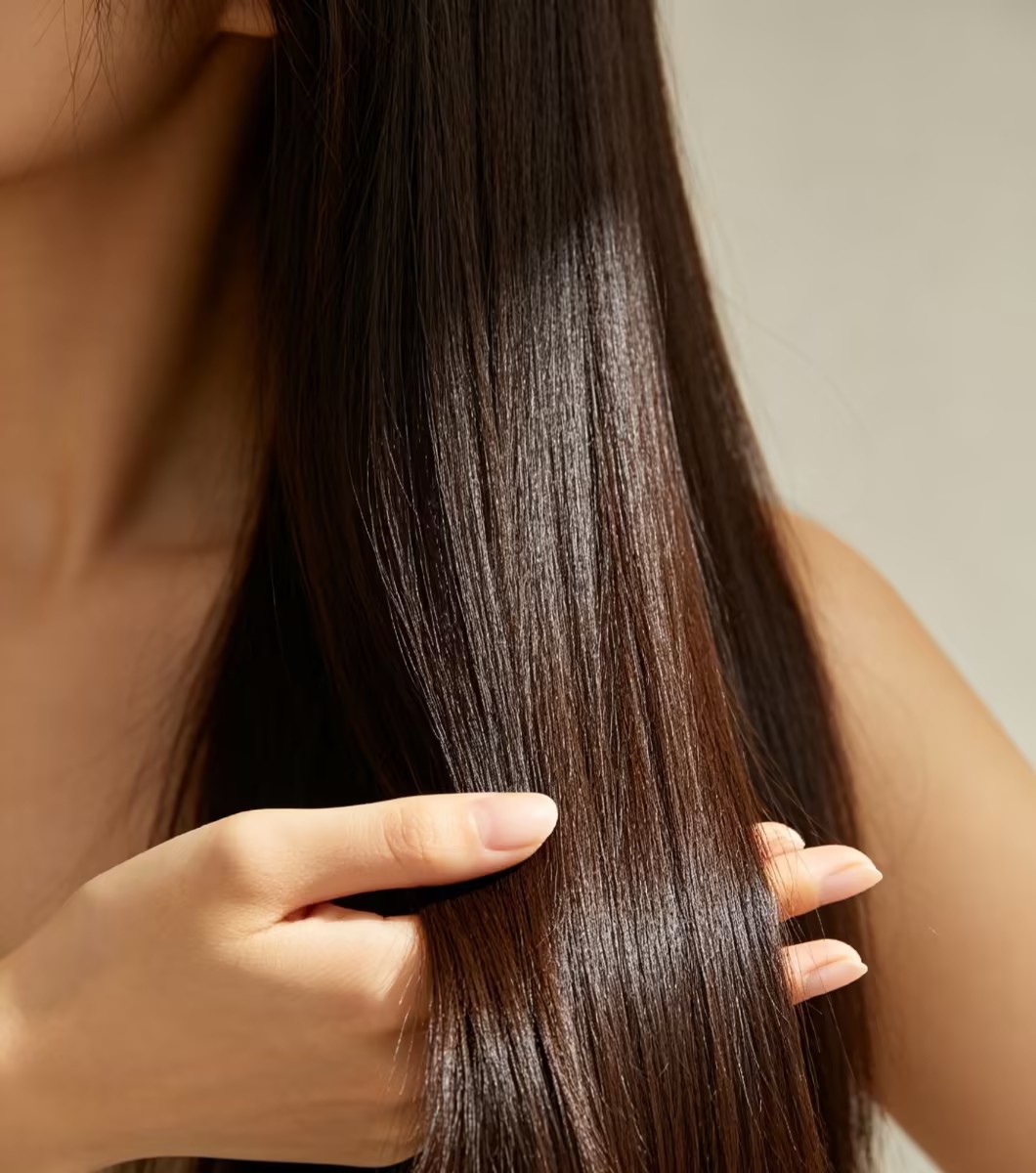
The silicone fills in microscopic gaps on the hair cuticle. That makes the surface smoother, so light reflects more evenly. And because it’s not heavy, hair still moves naturally—it doesn’t get that stiff or oily look.
3. Some help for damaged hair
Nothing can glue split ends back together. But amodimethicone can temporarily patch up lifted cuticles, which reduces further damage from brushing or friction. Hair feels smoother, and you’re less likely to cause extra breakage.
4. Works in rinse-off products
Because it has that positive charge, it deposits well even if you rinse. You don’t need to leave it on for five minutes to get an effect. In a standard conditioner or 2-in-1 shampoo, it does its job during the wash.
What About Skin? Body Washes and Cleansers
The same emulsion can also be used in body washes and skin cleansers. That might sound surprising, but here’s why: amodimethicone leaves a thin, breathable film on the skin. It’s not greasy, but it reduces the “squeaky” dry feeling that some cleansers leave behind.
People often describe the sensation as “lubricious” or “soft to the touch.” It helps the skin retain a bit more moisture after washing, which is useful for body washes aimed at dry or normal skin. And because the emulsion disperses easily, it integrates into existing formulas without requiring major changes.

One Thing to Keep in Mind
No silicone is a miracle repair for split ends. Amodimethicone won’t reverse chemical damage or make extremely porous hair behave like virgin hair overnight. But what it does do—consistently, across many different products—is make hair easier to manage, shinier, and softer to the touch. And it does that without the heavy buildup that turned some people off from older silicones.
For formulators, the emulsion form means fewer headaches in production. For consumers, it means a product that performs well wash after wash without leaving hair feeling coated.
Amodimethicone is a hair conditioning agent that targets damaged areas, improves dry and wet combing, adds softness and shine, and works in both hair and skin products. When supplied as a silicone emulsion, it becomes easy to use in real-world manufacturing. That’s why you see it so often in personal care silicone blends for conditioners, 2-in-1 shampoos, and body washes.