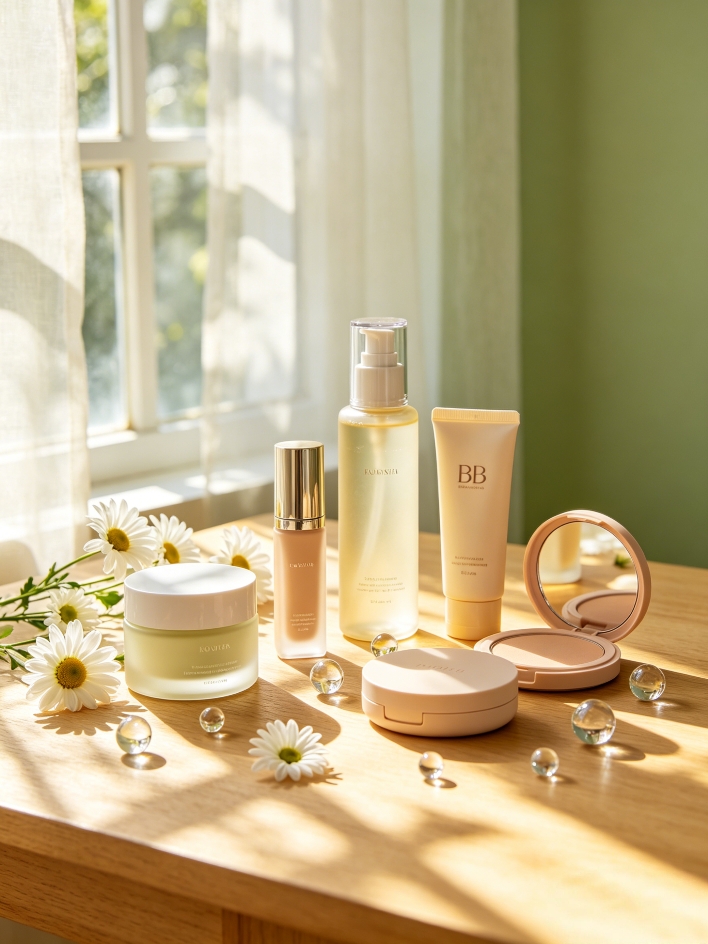

How a Cosmetic Silicone Elastomer Delivers Oil‑Control Matte Skin Feel – Without the Grease
If you’ve ever tried a moisturizer that felt heavy, or a foundation that refused to spread evenly, you already know: texture can make or break a product. No matter how good the active ingredients are, if the sensory experience is off, consumers won’t come back. That’s why cosmetic chemists spend so much time fine‑tuning the “feel” of a formula. And in recent years, one category of ingredients has become a go‑to solution for creating products that are smooth, soft, and matte without being drying or greasy: cosmetic silicone elastomers.
What exactly is a cosmetic silicone elastomer?
In simple terms, a cosmetic silicone elastomer is a gel‑like material made from silicone polymers that have been lightly crosslinked. Unlike traditional silicone oils, which can feel slippery or heavy on their own, elastomers have a soft, powdery, velvety texture. They are often supplied as a pre‑mixed blend with a silicone fluid. One common example is a blend of Dimethicone (a classic silicone fluid) and Dimethicone/Vinyl Dimicone Crosspolymer (the crosslinked elastomer part). This combination gives formulators a ready‑to‑use ingredient that adds viscosity, improves spreadability, and changes the skin feel – all at once.
A closer look at the physical form
When you see this kind of blend in its raw form, it appears as a colorless to translucent gel. Its viscosity typically falls between 150,000 and 500,000 mPa·s (at 25°C), and its specific gravity ranges from 0.93 to 0.98. These numbers matter to formulators because they tell you how the ingredient will behave during production and how much it will affect the final product’s texture. But what really matters is how it feels on the skin. And that’s where this ingredient stands out.
Features that formulators appreciate
According to basic product documentation, this type of silicone blend offers four key sensory benefits:
Velvety silky touch – It doesn’t just feel smooth; it feels soft, almost like a fine powder gliding over the skin.
Easy to spread, provides soft feeling – Products become much easier to apply evenly, without tugging or pulling.
Non‑greasy, matte effect – This is the big one. It controls shine without stripping moisture, leaving a true matte finish.
These features make it a natural fit for products where consumers expect a lightweight, elegant after‑feel.
An oil‑control matte skin feel ingredient – without the dryness
Many matte products rely on powders or alcohol to absorb oil or create a dry finish. But those approaches can leave skin feeling tight or looking chalky. A well‑designed oil-control matte skin feel ingredient should do the opposite: reduce the perception of greasiness while maintaining a soft, comfortable skin feel.
Silicone elastomers like the Dimethicone & Crosspolymer blend achieve exactly that. They don’t strip the skin’s natural oils; instead, they change the way the product interacts with light and friction, creating a matte appearance without a dry, tight after‑feel. For brands targeting combination or oily skin, or developing summer‑friendly sunscreens and lightweight moisturizers, this type of ingredient has become a quiet workhorse.
A slip modifier for lotions and creams that actually works
One of the hardest things to get right in a lotion or cream is “slip” – that effortless glide when you spread the product. Too little, and the formula feels draggy. Too much, and it can feel greasy or slippery in an unpleasant way. A good slip modifier for lotions and creams balances these two extremes. The Dimethicone & Crosspolymer blend does this by introducing a soft, non‑oily lubricity. It reduces friction between the product and the skin, allowing even a relatively thick cream to spread easily. And because it’s non‑greasy by nature, it doesn’t leave a heavy residue behind. This is particularly valuable in day creams, sunscreens, and lotions that consumers apply over large areas of skin. A little slip goes a long way toward making the daily routine feel pleasant instead of like a chore.
A skin feel modifier for color cosmetics
Color cosmetics face an extra challenge: they need to deposit pigments evenly, stay in place for hours, and still feel comfortable on the skin. Foundations that feel heavy or mask‑like, primers that drag, and powders that settle into fine lines – all of these are texture failures. This is where a skin feel modifier for color cosmetics becomes essential. When added to a foundation or primer formula, a silicone elastomer blend like Dimethicone & Dimethicone/Vinyl Dimethicone Crosspolymer helps create a soft‑focus, matte base. It improves the spreadability of the formula, so the product doesn’t settle unevenly. And it contributes to that “second skin” feeling that consumers love. In practice, this means a foundation that feels lighter than its actual viscosity, a primer that smooths over texture irregularities, and a final makeup look that stays matte without looking flat.
Where can you use this blend? Four main areas
According to the specifications, this Dimethicone & Dimethicone/Vinyl Dimethicone Crosspolymer blend is suitable for four broad categories of products:
- Skincare products – moisturizers, serums, eye creams, and facial lotions benefit from the velvety, non‑greasy finish.
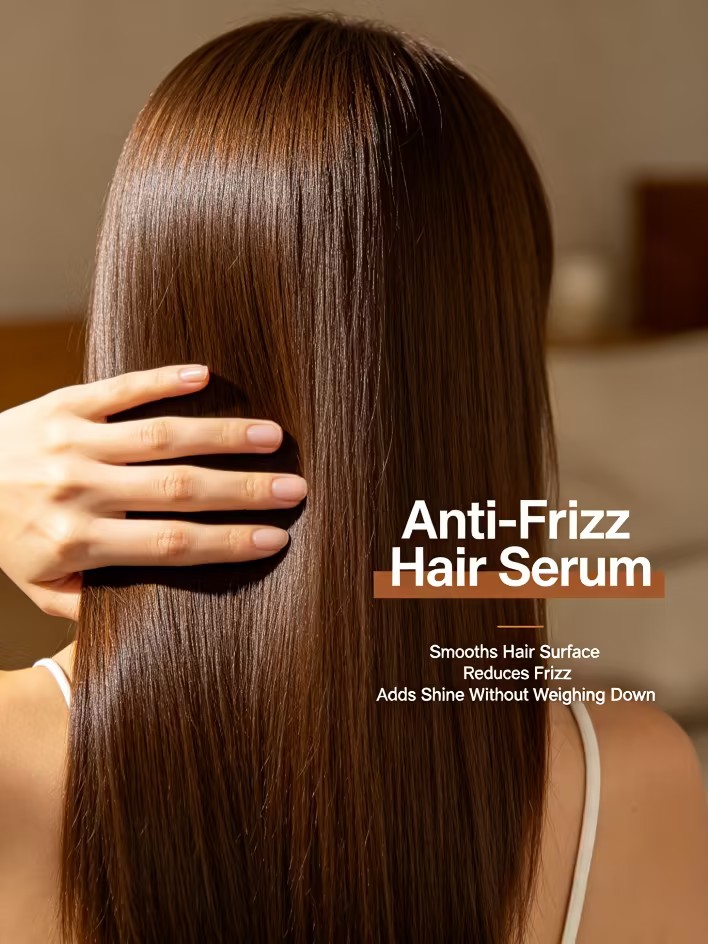
- Hair care products – it can smooth the hair surface, reduce frizz, and add slip without weighing hair down.
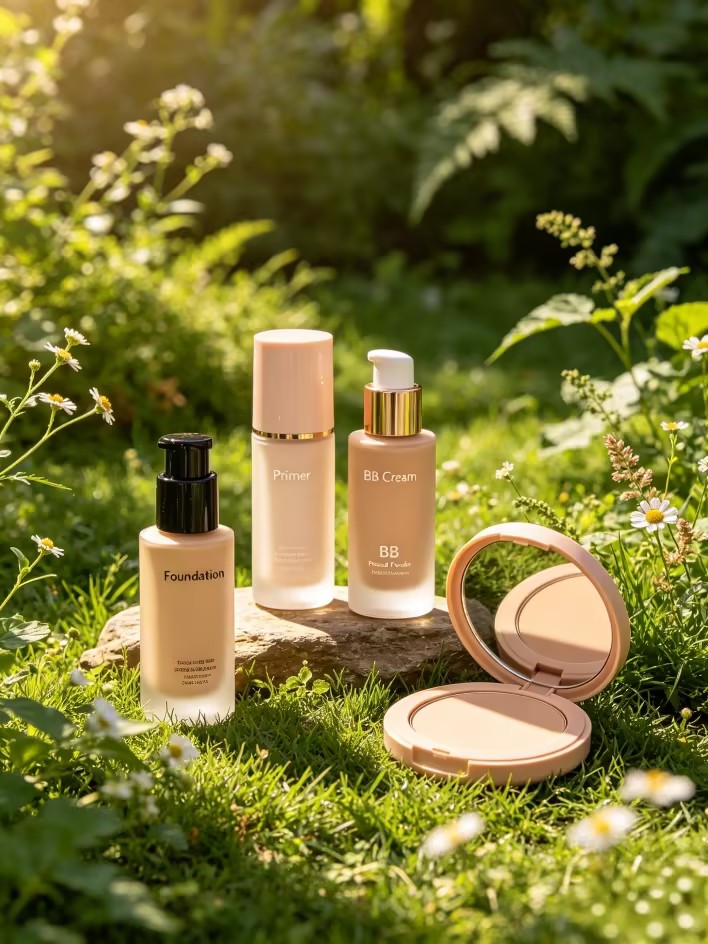
- Makeup – foundations, primers, BB creams, and pressed powders become more spreadable and matte.
- Sun protection products – sunscreens often suffer from a greasy, heavy feel; this blend lightens the sensory profile while keeping the protective film intact.
In all of these applications, the goal is the same: improve the sensory experience without complicating the formula.
So, where can you find a reliable version of this blend?
If you’re a formulator or a brand owner looking for a cosmetic silicone elastomer that pulls all these qualities together – matte feel, easy spread, non‑greasy finish, and compatibility with multiple product types – you have options on the market. One example that is SQ-SE 5093, supplied by Shengqing Materials. It contains exactly the Dimethicone & Dimethicone/Vinyl Dimethicone Crosspolymer blend we’ve been discussing. And because it’s a ready‑to‑use gel, it fits into existing manufacturing processes without major adjustments. No exaggerated claims. No fake lab data. Just a solid ingredient that helps products feel the way consumers want them to: smooth, matte, soft, and never greasy.
Finally, if you’re developing a new lotion, foundation, sunscreen, or hair product and want to improve its sensory profile, it’s worth looking into this type of oil-control matte skin feel ingredient, slip modifier for lotions and creams, or skin feel modifier for color cosmetics. Often, the smallest change in the formula makes the biggest difference in how the product is received.